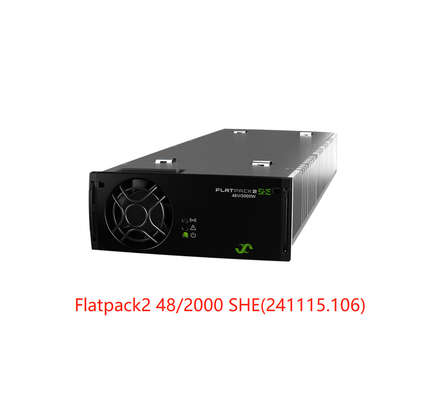
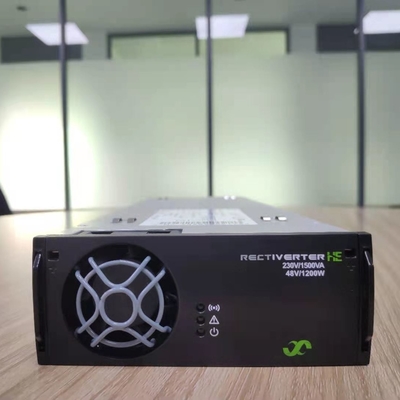
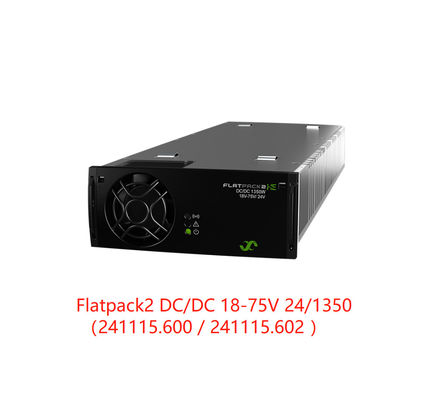
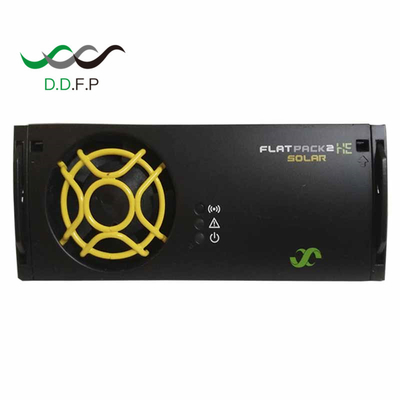
Da die Rechenzentren für Colocation und Hyperscale in Nordamerika weiter expandieren, stoßen traditionelle Niederspannungs-DC-Verteilungsarchitekturen an ihre physikalischen Grenzen. Zu den kritischsten Herausforderungen gehören Spannungsabfall über lange Kabelstrecken und die explodierenden Kosten für Kabelinfrastruktur, beides behindert eine effiziente Skalierung von Standorten.
Die Grenzen der traditionellen 48V-Verteilung in großflächigen Rechenzentren
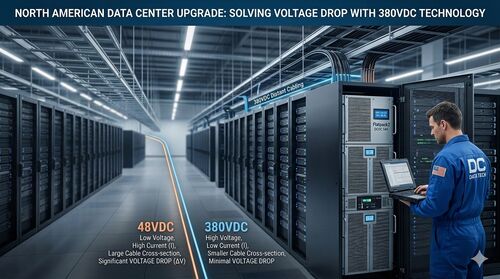
In Megadatenzentren überschreitet die Entfernung vom zentralen Stromraum zu den Server-Racks oft 50 Meter. Bei einer traditionellen 48V/54V-DC-Architektur erfordert die Aufrechterhaltung der Spannungsstabilität am Lastende extrem dicke Kupferkabel, um Widerstand und Wärme zu minimieren. Dies erhöht nicht nur die strukturelle Belastung von Kabeltrassen, sondern bläht auch die Investitionsausgaben (CAPEX) erheblich auf.
380VDC-Übertragung: Technische Überlegenheit von Hochspannungs-DC
Um diese Engpässe zu überwinden, setzen führende Betreiber in Nordamerika auf die 380VDC-Übertragungstechnologie. Durch die Erhöhung der Übertragungsspannung auf 380V und unter Beachtung der physikalischen Prinzipien von und wird der Strom bei gleichem Leistungsdurchsatz dramatisch reduziert.
· Reduzierter Kabelquerschnitt: Geringerer Strom ermöglicht dünnere Kabel, was das Gewicht und Volumen der Kabelinfrastruktur erheblich reduziert.
· Erhöhte Sicherheit durch Isolierung: Diese Systeme bieten eine 4,2 kVDC-Isolierung zwischen Ein- und Ausgang, wodurch sichergestellt wird, dass die Hochspannungsübertragungsschicht elektrisch von den empfindlichen Niederspannungsgeräten entkoppelt ist und die Sicherheitsstandards IEC/EN 60950-1 strikt eingehalten werden.
Flatpack2 DCDC-System: Präzise Spannungsabsenkung am Edge
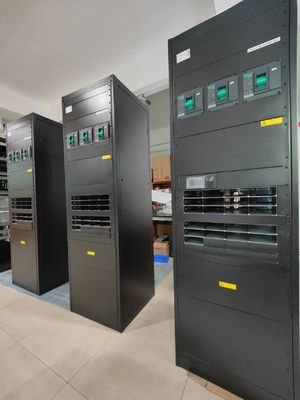
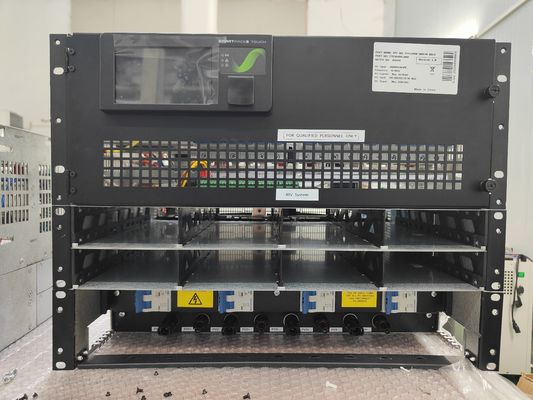
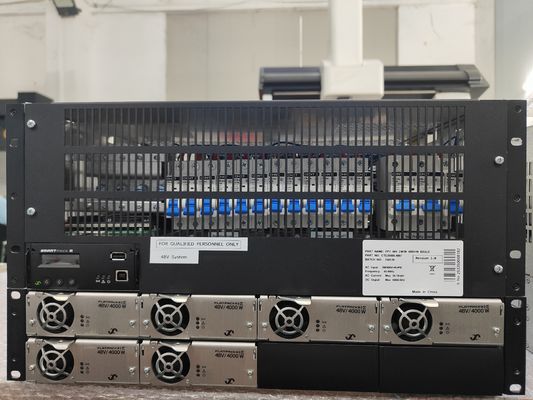
Die Hochspannungsübertragung erfordert eine hocheffiziente Umwandlung am Lastpunkt. Das Flatpack2 DCDC 380V 54V-System ist speziell für diese sekundäre Umwandlungsaufgabe konzipiert:
1. Präzise Spannungsregelung
Das System liefert eine statische Spannungsregelung von ±0,5%. Unabhängig davon, ob der 380V-Bus zwischen 260V und 400V schwankt, bleibt die Ausgangsspannung stabil bei standardmäßigen 54,5V (einstellbar von 50-55V) und bietet eine saubere Stromumgebung für High-End-Netzwerkhardware.
2. Stabilität unter transienten Lasten
Die Workloads von Rechenzentren sind durch plötzliche Spitzen gekennzeichnet. Das System verfügt über eine ±5,0% dynamische Spannungsregelung -Fähigkeit. Wenn die Last von 10% auf 90% wechselt, beträgt die Erholungszeit der Regelung weniger als 50 ms, ein kritischer Parameter zur Vermeidung von Systemneustarts oder Datenverlusten während Spitzenverkehrszeiten.
Modulare Architektur für In-Service-Erweiterung
Geschäftskontinuität ist auf dem nordamerikanischen Markt eine nicht verhandelbare Anforderung. Das Flatpack2-System verwendet ein vollständig modulares, Hot-Pluggable -Design.
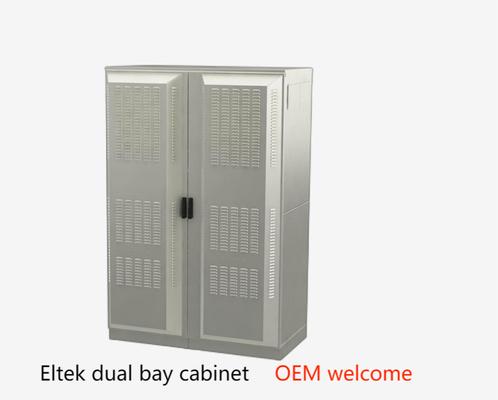
· Skalierbarkeit: Systeme können mit der Lastanforderung wachsen und von 36 kW auf bis zu 108 kW im gleichen Schrankfußabdruck skaliert werden.
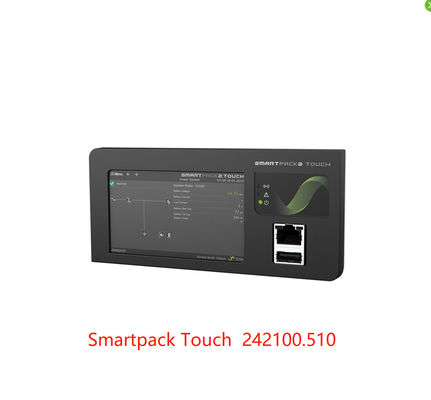
· Redundanz und Überwachung: Gesteuert vom Smartpack2-Controller, sorgt das System für eine präzise Stromaufteilung (innerhalb von ±5% des maximalen Stroms), was eine gleichmäßige Belastung der Module ermöglicht und Single Points of Failure eliminiert.
Branchenaussichten
Die Integration der 380VDC-Übertragung mit hocheffizienter Edge-Konvertierung (mit Spitzenwerten von 98,2% Wirkungsgrad) bietet eine definitive Lösung für die physikalischen Herausforderungen langer Kabelstrecken. Für Kommunikationssysteme, die Zuverlässigkeit und Skalierbarkeit priorisieren, ist diese technische Entwicklung unerlässlich, um die hochdichten Computing-Lasten der Zukunft zu unterstützen.


 Ihre Nachricht muss zwischen 20 und 3.000 Zeichen enthalten!