H2: Schlechte Netzinfrastruktur und schwere Überspannungspunkte bei Edge Wireless-Standorten
In abgelegenen Gebieten oder unterentwickelten Industriezonen sind die drahtlose Infrastruktur und die 4G/5G-Zellnetzwerke ständig schlechten Stromnetzen ausgesetzt.Diese Stromnetze leiden unter Hochfrequenz-Voltastörungen.Wenn die Stromversorgung ansteigt oder einen Blitzschlag erlebt,Standard-Gleichrichter-Topologien können die Hochspannungsimpulse oft nicht vollständig abschwächen., wodurch sich schwere vorübergehende Überspannungen bis zur Hauptverteilungsleiste der Gleichspannung ausbreiten können.
Sensible Telekommunikations-Mikrochips, Mikrowellen-Backhaul-Geräte und Batterien mit hoher Kapazität befinden sich an den Endpunkten dieses Gleichstrom-Busbalkens.was bedeutet, dass ein kleiner Kurzschluss, ein Überstrom- oder Überspannungspuls irreversible Hardwareschäden verursachen kann.Um es noch schlimmer zu machen,herkömmliche Gleichstromsysteme, die mit alten Sicherungen oder geringeren Miniatur-Schaltkreisbrechern (MCBs) ausgestattet sind, leiden bei wiederholten dynamischen Hochstromüberspannungen stark an thermischer Müdigkeit, die leicht zu lästigen Ausprall- oder Endkontaktschweißungen führen, wodurch ihre Sicherheitsfunktion unwirksam wird und Brandgefahren entstehen.
H2: Kriterien für die Auswahl von Gleichstromkraftwerken auf Basis der Eltek Flatpack2 Topologie
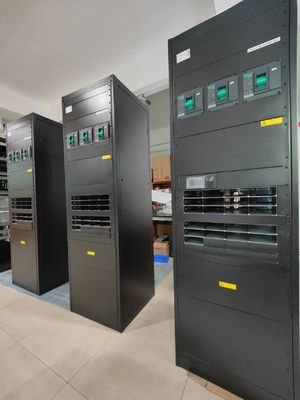
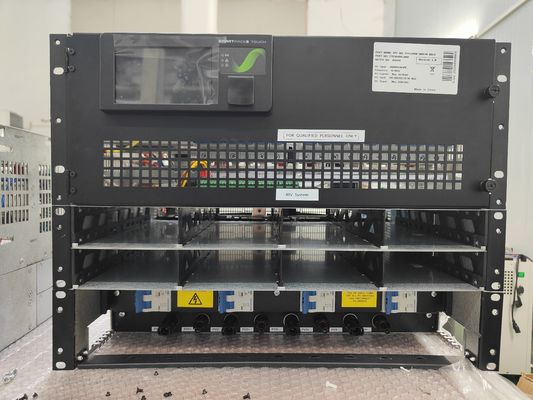
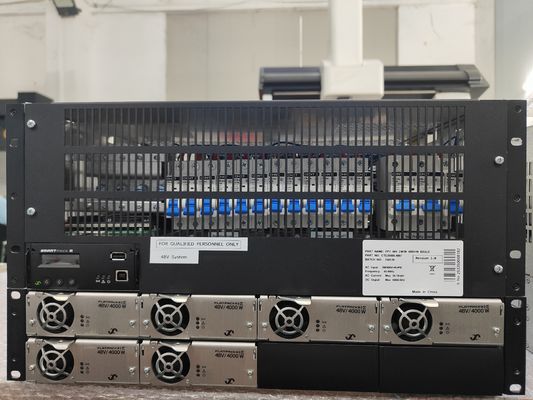
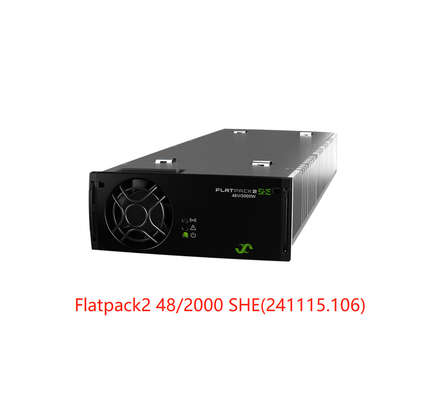
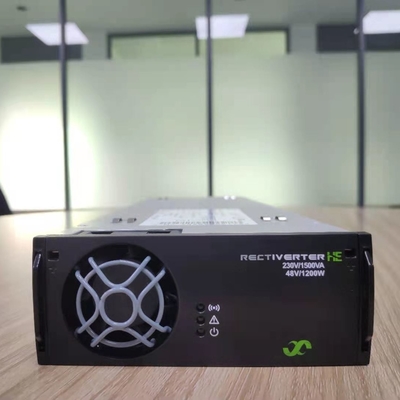
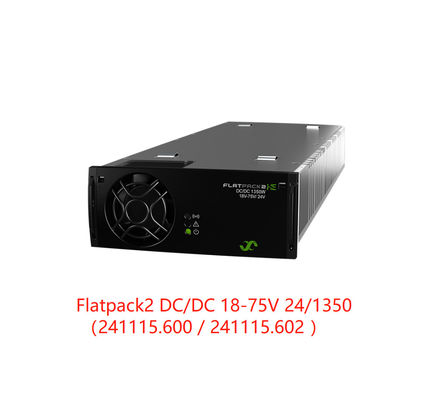
Um die physischen Sicherheitsbedrohungen durch instabile Anomalien zu überwinden,B2B-Einkaufsmanager und Telekommunikationsdesigningenieure müssen Hardware-Lösungen mit hoher Bruchfähigkeit und geringen thermischen Müdigkeitsprofilen spezifizierenDas 5U 19-Zoll integrierte Gleichspannungssystem, das auf der Eltek Flatpack2-Plattform basiert, bietet genaue parametrierte Kriterien für die robuste Randstandortwahl:
H3: 1. Pflichtspezifikation für Steckschalter für den Schutz der Batterie im D-Rahmen
- Hochverlässliche physikalische elektrische Isolierung: Bei der Batterieverteilung müssen alte schraubfeste Leistungsschalter durch langlebige Steckschalter des D-Rahmen-Typs ersetzt werden.
- Wärmebelastungsbeständigkeit: Die D-Rahmen-Architektur bietet eine überlegene mechanische Kontaktretention und ein Lichtbogenlöschendes Design,Gewährleistung von null störenden thermischen Fahrten bei rauen Raumtemperaturen von bis zu +55 °C und kontinuierlichen Hochfrequenzvibrationen von Kühlventilatoren.
- Wärmeswappable Live-WartungWenn sich ein Kurzschlussfehler in einem einzelnen Batterieanschluss manifestiert, wird der Akku in der Nähe des Batterieanschlusses geschaltet.Ingenieure können die fehlerhafte Schleife sofort abziehen, ohne die gesamte Anlage abzuschalten., die Ausfallzeit des Antriebssystems auf Null reduziert.
H3: 2. Graded Load Shedding und Standard DIN Rail Anpassungsfähigkeit auf der Gleichstrom-Ausgangsseite
- Zwei-Kanal Niederspannungslast-Abschaltung (LVLD1 / LVLD2): Wenn die schlechte Netzqualität zu einem totalen Blackout führt, muss der Regler des Kraftwerks schrittweise Abschaltsequenzen durchführen.Die Topologie erfordert eine 300A LVLD1-Schleife, die mit einer optionalen 150A LVLD2-Konfiguration gekoppelt istDies verringert nicht notwendige Hilfsbelastungen in den frühen Stadien der Batterieauslastung und stellt sicher, dass die Kern 4G/5G-Fernfunkgeräte (RRU) maximale Laufzeit mit einer sauberen -48VDC-Stromversorgung erhalten.
- Flexible Verteilbreiten von 18 mm/27 mm: Die Lastverteilungsplatte muss mit den Standard 18mm- und 27mm-DIN-Schienenbrechern vollständig kompatibel bleiben.Dies ermöglicht eine nahtlose Skalierung der Baustelle für Mikrozellen oder schwere Makrobasenstationen bei gleichzeitiger Aufrechterhaltung eines robusten elektrischen Chassis, das bis zu einer maximalen Leistung von 300A/500A verarbeiten kann.
H2: Visualisiertes Stromqualitätsmanagement an entfernten Standorten durch digitale Überwachung
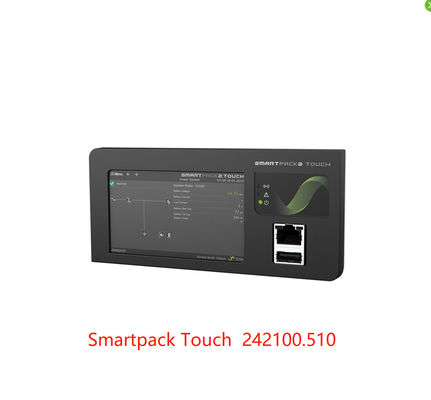
Bei Betrieb in einer Umgebung, in der die Netzstabilität unter dem Standard liegt, reicht die passive physische Hardware-Isolation allein nicht aus, um das Lebenszyklusmanagement der Anlagen optimal zu gestalten.Das Eltek Flatpack2-Stromversorgungssystem löst dies durch Einbettung des hochwertigen Smartpack2-Touch-Controllers., die im Einklang mit den Basis- und Typ-2-Eingabe-/Ausgabe-Überwachungseinheiten arbeitet, um den Betreibern eine robuste datengestützte Diagnose bereitzustellen.
Der native Ethernet-Port ermöglicht es Remote-Site-Wartungsteams, über einen Standard-Webbrowser vollen Systemzugang zu erhalten, wodurch die Notwendigkeit, externe Protokollkonverter zu verwenden, umgangen wird.Die Überwachungsschicht erfasst und protokolliert aktiv Anomalien bei der Eingabe des BerichterstattersDurch die Auswertung dieser parametrischen Telemetrie, können wir die Ergebnisse der Datenverarbeitung ermitteln.Betreiber können vor Hardwarefehlern hochverschmutzte Netzknoten präzise ansprechen, die eine proaktive Stromkonditionierung ermöglicht, um die ultimative Sicherheit von Fernkommunikationsstandorten zu gewährleisten.


 Ihre Nachricht muss zwischen 20 und 3.000 Zeichen enthalten!