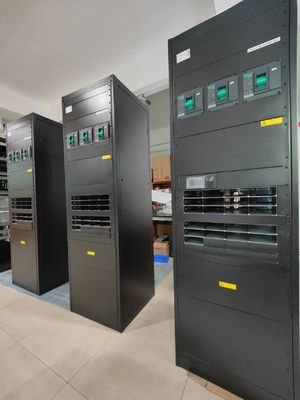
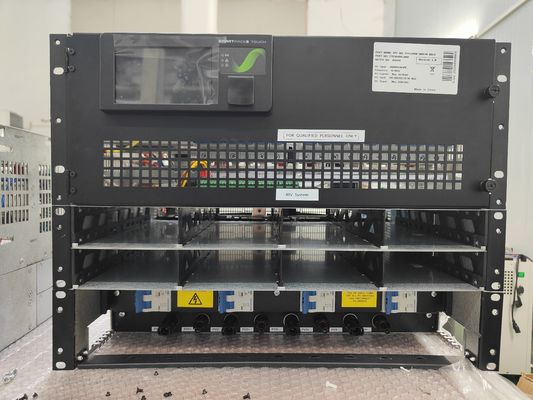
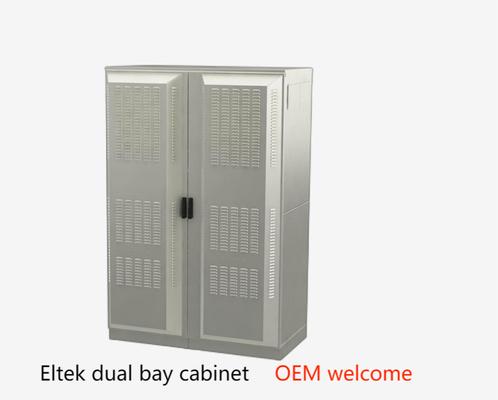
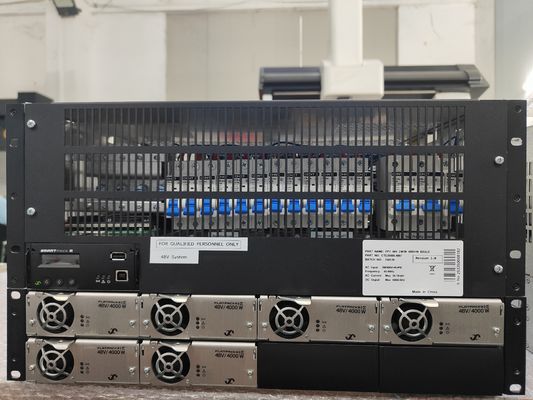
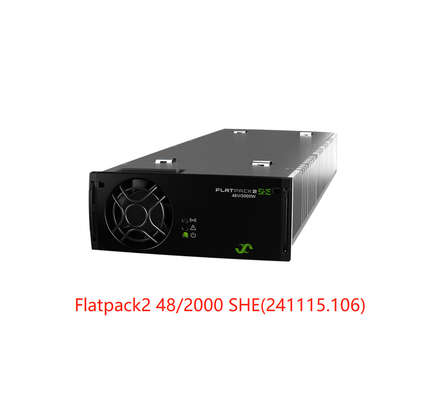
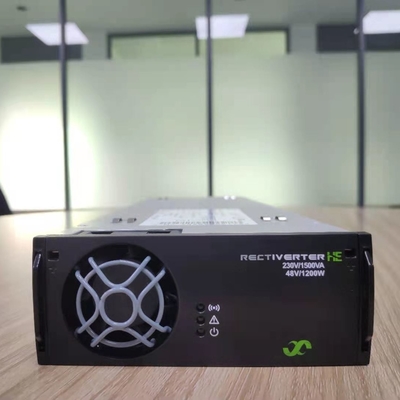
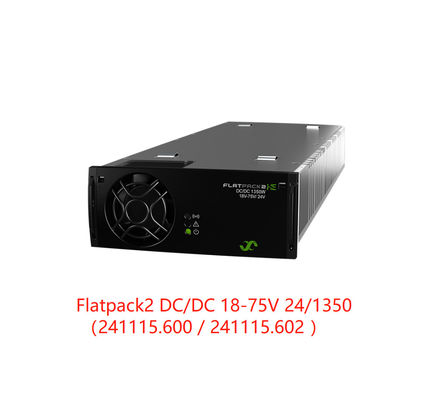
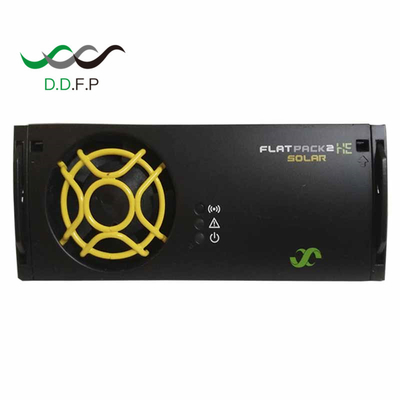
Moderne Rechenzentren entwickeln sich schnell zu höheren Dichten und höheren Arbeitslasten, was bedeutet, dass die Kern-IT-Ausrüstung nahezu keine Toleranz gegenüber Anomalien der Stromqualität aufweist. In Schwellenländern in Südamerika und Osteuropa führen die kombinierten Herausforderungen aus hoher Umgebungswärme, starker Staubbelastung und instabilen externen Netzen häufig zu plötzlichen Stromausfällen. Wenn im Primärnetz ein vorübergehender Spannungsabfall oder ein Stromausfall auftritt, führt die Übertragungsverzögerung älterer Wechselrichtersysteme häufig zu Serverabstürzen und katastrophalen Datenverlusten. Daher hat die Sicherstellung einer unterbrechungsfreien AC-Backup-Lösung auf Hardware-Ebene unter rauen Bedingungen oberste Priorität bei der Auswahl der Rechenzentrumsinfrastruktur.
Physische Bedrohungen für die Stromversorgung von Rechenzentren durch staubige und heiße Umgebungen
Unter Betriebsbedingungen mit hoher Temperatur und Staubanfall sind herkömmliche Wechselrichter einem erheblichen doppelten Risiko einer physischen Verschlechterung ausgesetzt. Erstens blockiert die Staubansammlung die internen Luftstromkanäle, was zu einer chronischen thermischen Leistungsminderung der Leistungskomponenten führt und einen vorzeitigen Komponentenausfall beschleunigt. Zweitens bilden sich in der Luft befindliche Partikel, wenn sie sich mit der Umgebungsfeuchtigkeit vermischen, mikroleitende Pfade auf Leiterplatten, was zu vorübergehenden Kurzschlüssen oder katastrophalen Hardwareausfällen führt. Wenn diese umgebungsbedingte Hardware-Müdigkeit mit einem unerwarteten Netzausfall zusammenfällt, sind herkömmliche Übertragungsmechanismen sehr anfällig für Fehlfunktionen, die zu katastrophalen Ausfallzeiten des Rechenzentrums führen können.
Kernauswahlkriterien: Schlüsselparameter für Wechselrichter mit hoher Belastbarkeit
Um plötzliche Stromausfälle unter heißen und staubigen Bedingungen effektiv zu verhindern, müssen Rechenzentrumsbetreiber bei der technischen Beschaffung die folgenden Spezifikationen auf Hardwareebene strikt überprüfen:
· 0 Sekunden Übertragungszeit für keine Betriebsunterbrechung: Bei dynamischen Übergängen zwischen dem Primärnetz (AC-Eingang) und dem Backup-Batteriespeicher (DC-Eingang) betragen sowohl die maximale Spannungsunterbrechung als auch die gesamte Übergangsdauer streng 0 Sekunden. Diese unterbrechungsfreie Leistung mit reiner Sinuswelle garantiert, dass empfindliche Rechenzentrumslasten vollständig von vorübergehenden Spannungsstößen isoliert bleiben.
· Durchschlagsfestigkeit von 4300 VDC zur Abwehr von Ausfallrisiken: Das System wurde für Serverräume mit komplexen Staub- oder Luftqualitätsproblemen entwickelt und bietet eine Spannungsfestigkeit (DC/AC) von bis zu 4300 V DC. Diese verstärkte elektrische Isolierung auf Hardwareebene vermeidet effektiv das Risiko einer verketteten Hardwarebeschädigung durch externe Überspannungen oder interne Mikrokurzschlüsse.
· 240.000 Stunden MTBF bestätigen hohe Zuverlässigkeit: Mit einem äußerst korrosionsbeständigen Aluzinc-Stahlgehäuse und einer integrierten Lüfter-Zwangskühlungsarchitektur erreicht das System eine mittlere Zeit zwischen Ausfällen (MTBF) von 240.000 Stunden gemäß MIL-217-F-Standard (gemessen bei 30 °C Umgebungstemperatur und 80 % Last). Dies gewährleistet eine langfristige physikalische und chemische Stabilität.
· Über 96 % AC-zu-AC-Wirkungsgrad minimiert die Selbsterwärmung: Im Enhanced Cycle Inverter (EPC)-Modus erreicht der modulare Wechselrichter einen AC-zu-AC-Wirkungsgrad von über 96 %. Dieser hohe Wirkungsgrad bedeutet, dass interne Leistungsverluste und Wärmeableitung auf ein absolutes Minimum reduziert werden, wodurch die gesamte thermische und klimatische Belastung in Umgebungen, die bereits von Natur aus heiß sind, verringert wird.
Brancheneinblicke: Betriebswert modularer Hot-Swap-fähiger Architekturen
In Leitfäden zur Auswahl von Rechenzentrumstechnologien bestimmt die Wartbarkeit des Systems die langfristigen Betriebskosten (OPEX) ebenso wie statische physikalische und elektrische Spezifikationen. Durch den Einsatz eines vollständig entkoppelten, modularen Designs mit Null-Single-Point-of-Failure und Skalierbarkeit, die parallele Verbindungen von bis zu 32 Modulen unterstützt, verfügt das System über eine außergewöhnliche Redundanz. Die vollständig Hot-Swap-fähige Architektur ermöglicht es Außendiensttechnikern, fehlerhafte Module live auszutauschen, ohne kritische Wechselstromlasten zu unterbrechen. Dadurch wird die mittlere Reparaturzeit (MTTR) auf Minuten reduziert, wodurch Rechenzentren grundlegend von der passiven Anfälligkeit älterer monolithischer USV-Systeme befreit werden, bei denen ein Ausfall einer einzelnen Komponente das gesamte Netzwerk lahmlegen könnte.


 Ihre Nachricht muss zwischen 20 und 3.000 Zeichen enthalten!